A Speaker’s Social Media Checklist
If you’re using social media to get speaking engagements, the useful question isn’t “How many people saw my post?” It’s “Can the people who might hire me find me, see what I speak about, and feel confident reaching out?” A big audience can be lovely. It doesn’t automatically become a calendar full of paid talks.
I talked about this with Speaking Your Brand coaches Diane Diaz and Erin Mark in Episode 493 of our Become Bookable series. We don’t even use social media the same way. Erin posts on LinkedIn and enjoys making Instagram Reels. Diane has an optimized LinkedIn profile but doesn’t post much. I mostly use LinkedIn and haven’t actively posted on Instagram since around 2022. That mix made for a more honest conversation than a list of things every speaker is supposedly required to do.
Why don’t more followers necessarily mean more speaking engagements?
An event organizer is looking for someone who fits an audience and an event. A video can get plenty of views from people who will never hire a speaker. Meanwhile, the person who could hire you may be following quietly, reading for months, and never liking a post. Erin has heard from speakers whose buyers reached out long after they started following their work.
Erin told us that appearing on a game show and even having a meme made about her didn’t turn into speaking bookings. Her steady presence on LinkedIn, where she can show her expertise and meet the people she wants to work with, has been more useful for that goal. It was a funny story, and a good reminder to ask what an impressive number actually represents.
I don’t want to be viral famous. I want the right organizer to recognize what I speak about and know how to contact me. That’s a much more useful goal for my speaking business.
What should a speaker put on LinkedIn?
Start with the profile. Diane’s point was simple: even if you rarely post, your LinkedIn profile can help someone understand and find you. Look at your headline, the line right under your name. If you want to be found as a speaker, say that you speak. Include the subject or audience you want to be known for. “Keynote speaker,” “workshop facilitator,” and a specific topic give a visitor much more to work with than a job title alone.
Then read your About section as if you were an event organizer. Could you tell what this person speaks about, whom she helps, and why her perspective fits your event? Use the ordinary terms a buyer would use to search for someone with your expertise. Diane recommends filling out the profile thoroughly and using that space to describe your actual work, rather than letting an AI tool squeeze it into bland copy. Keep it readable for a person, too.
LinkedIn also lets you show evidence. Erin suggests featuring a speaker reel on your profile. I often post a photo from a speaking engagement or an event I’m attending. Those photos tend to get more response for me than videos do. Erin has seen a similar pattern in her own posts. That’s our experience, not a rule about what LinkedIn will show for every speaker. Video still gives an organizer a chance to see you speak, whether or not that particular post gets many reactions.
A quick LinkedIn profile check
- Does your headline make it clear that you speak and name your topic?
- Does your About section describe the problems or questions your audiences care about?
- Can a visitor find a talk, speaking clip, or event photo that shows you in action?
- Is there an easy way to contact you?
Can LinkedIn help you build relationships with event organizers?
Yes, if you use it to meet people rather than treating a new connection like a cue to send a sales pitch. Erin looks for leaders and potential partners in the industries she serves, reads their profiles, and sends a connection request. She waits for them to accept. She may then follow their work, comment when she has something real to add, and ask a short question when there’s a good reason to talk. Sometimes that question is simply whether they’re the person who hires speakers.
I do something less systematic but related. I stay in touch with people I already know, respond when I see something worth celebrating, and keep showing them that I’m speaking. I don’t comment on every post someone writes. That would feel strange in real life, and it feels strange online too.
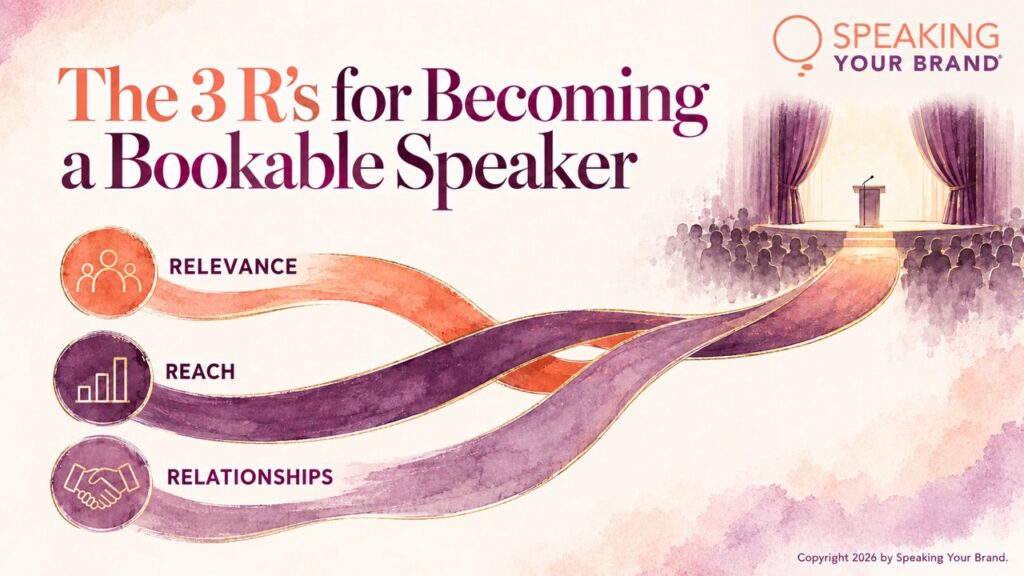
This is the relationships part of becoming bookable. Social media can keep you visible to a person you met years ago and give a new contact a way to learn about your work. A connection count by itself doesn’t tell you whether those relationships exist.
Do speakers need to be active on Instagram?
Only if it serves a purpose you can maintain. Here’s the example that surprised me: I left my Instagram profile up after I stopped posting. Earlier this year, an organizer who was hosting a conference in Orlando sent me a DM there about a paid speaking opportunity. I didn’t see the message for about a week because I rarely check the account. I also don’t know whether she first found me through Instagram or somewhere else. Instagram was the way she reached me.
That distinction matters. An account may be where someone discovers you, or it may be where someone checks that you’re the same person they found through Google, a referral, or another source. If you keep an account, make the name and profile recognizable, show enough current and relevant information to represent your work, and check its messages. You don’t have to turn it into a daily content obligation.
Erin uses Instagram differently. She likes making Reels and sometimes turns an idea from a LinkedIn post into a short video. She does it because the format fits her and because someone searching for her can find relevant content there. She isn’t asking every speaker to copy that routine.
How often should a speaker post on social media?
Pick a schedule you can live with. I usually post the podcast episode on LinkedIn each week and one other thing, perhaps an event I’m attending or a speaking engagement. Erin aims for a couple of LinkedIn posts a week. She suggested starting with once a week or even every other week if that’s realistic, then adjusting once it feels comfortable.
You already have material. A question from your keynote, a photo from an event, a story behind your talk, or an idea you’re working through can all become a post. You can also share another speaker’s work when you genuinely want to support it.
There isn’t a guaranteed day, format, or frequency that will bring you bookings. Erin and I have found that some of our photo posts get more response than video posts on LinkedIn. Other speakers may see something different. Try a manageable approach and look at what happens.
I recommend tracking where your speaking inquiries and clients actually come from over several months. If one platform takes a lot of your time and brings in no useful conversations, change what you’re posting or spend that time elsewhere. Otherwise we’re making a social media plan out of feelings and anecdotes. I have plenty of those. I still want the data.
A speaker’s social media checklist
Before you make another content calendar, ask:
- Could an organizer find me? Search for yourself and look at the profiles a buyer would see.
- Could they tell what I speak about? Put your topic and audience in clear language, especially on LinkedIn.
- Could they picture me at their event? Share a speaking photo, clip, talk description, or other real evidence of your work.
- Am I meeting the right people? Build relationships with organizers, association leaders, fellow speakers, and people in the communities you serve.
- Can I keep this up? Choose a posting rhythm that doesn’t consume the time you need for your talks and clients.
- Is it working? Keep track of the source of inquiries and bookings, then adjust.
Frequently asked questions about social media for speakers
How many followers do I need to get booked as a speaker?
There’s no follower threshold in this episode. Event organizers need a speaker who fits their event and gives them confidence. A smaller, relevant audience and clear proof of your speaking can be more useful than a large audience that came for unrelated content.
Should I post on LinkedIn every day to get speaking gigs?
No daily schedule is required. I post around twice a week. Erin suggests starting with a frequency you can sustain, even once a week or every other week. Keep track of the conversations and inquiries that follow.
What matters most on a speaker’s LinkedIn profile?
Make the headline and About section clear about your speaking topics and the people you serve. Complete the profile, and give visitors a way to see you speak and contact you.
Should speakers use video if LinkedIn posts with video get fewer views?
Yes, when the clip helps a potential buyer see you in action. Erin and I have found that our videos get less reach than some photo posts on LinkedIn, but a speaking clip can still be useful evidence for someone considering hiring you. Views and buyer confidence are different measures.
Do I need an Instagram account to get booked?
No. I was contacted through my mostly inactive Instagram account, but I don’t know where that organizer first found me. Keep an account only if it helps people find or verify your work, and make sure you can respond when someone contacts you there.
Make your social media presence useful to the right person
If you want one place to begin, update your LinkedIn headline and About section today. Then choose one piece of real speaking work to share this week. If you post it, tag Diane, Erin, or me so we can see it and support you:
- Carol Cox = https://www.linkedin.com/in/carolcox
- Diane Diaz = https://www.linkedin.com/in/dianediaz/
- Erin Mark = https://www.linkedin.com/in/erinmark/
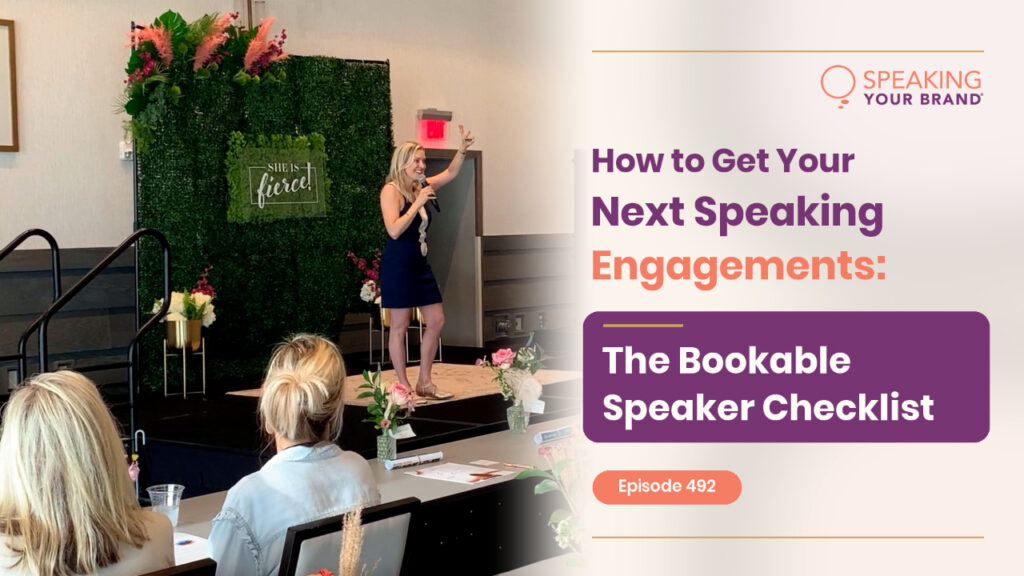
You can Episode 493: Social Media for Speakers – What We Do and Advice We Ignore for the whole conversation and listen to Episode 492 for the relevance, reach, and relationships behind our bookable speaker checklist.
If you’d like help developing your signature talk and learning how to get booked and paid, learn about Thought Leader Academy. If you want dedicated delivery practice and filming, learn about our Speaking Your Brand Live Retreat. You can review the options and schedule a consultation call to talk through your goals.