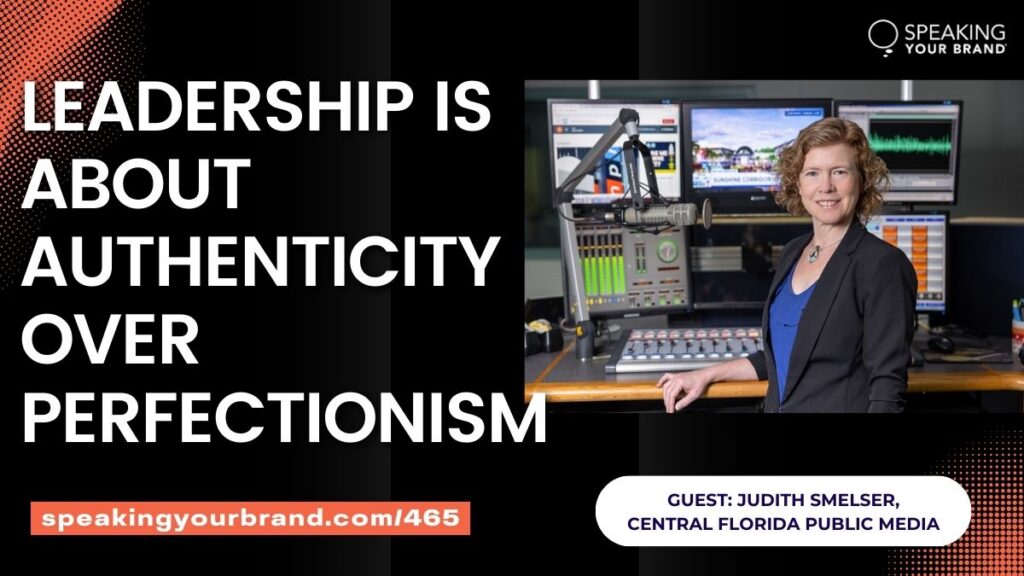
Making the Shift from Performer to Keynote Speaker with Andy Nunn: Podcast Ep. 467
Subscribe to the podcast!


I’ve worked with a lot of speakers over the years, but Andy Nunn brings something truly unique to the stage. He’s a mentalist turned keynote speaker who knows how to captivate an audience.
In this episode, Andy and I talk about what it really takes to evolve from entertaining an audience to transforming them.
Because getting laughs, applause, and “that was amazing!” is one thing… but creating a keynote that actually changes how people think and act is a completely different skill.
Andy shares his journey from performing magic and mentalism to working together to build a thought leadership keynote, including what surprised him, what challenged him, and what finally clicked.
We also get into the behind-the-scenes of shaping a talk that’s not just engaging, but structured, clear, and impactful (and yes, still includes some mind-blowing moments).
If you’ve ever wondered how to go from being “good on stage” to being truly bookable as a keynote speaker, this conversation will give you a whole new perspective.
Andy and I talk about:
- Why being entertaining isn’t enough—and what audiences actually need from a keynote
- The biggest mindset shift from performer to thought leader
- How to turn audience engagement into meaningful transformation
- What it takes to structure a keynote that works at 30, 45, or 60 minutes
- The role of storytelling and personal experience in building a powerful talk
About My Guest: Andrew (Andy) Nunn is a sought-after speaker for leading organisations including Google, Amazon, SAP, Sony, and Ralph Lauren, where he delivers interactive keynotes that spark self-awareness, connection, and change. Andy’s reputation as a speaker grew from his acclaimed TEDx talk, “Seeing Is Believing,” which explored how perception shapes trust, decisions, and performance. His sessions aren’t lectures. They’re immersive experiences where audiences don’t just learn about mindset and bias, they feel them in real time. A professional mentalist with over 20 years on stage, Andy has performed and spoken for thousands across Australia and internationally. His talks fuse science with storytelling to reveal how tiny shifts in perception can create massive results in leadership, communication, and culture.
About Us: The Speaking Your Brand podcast is hosted by Carol Cox. At Speaking Your Brand, we help entrepreneurs and professionals clarify their brand message and story, create their signature talks, and develop their thought leadership platforms. Check out our coaching programs at https://www.speakingyourbrand.com.
Links:
Show notes at https://www.speakingyourbrand.com/467/
Andy’s website: https://www.andrewnunn.com/
Andy’s TEDx talk: https://youtu.be/BZWzcuIkD0c?si=KXqJEGD6wvaXbgvJ
Discover your Speaker Archetype by taking our free quiz at https://www.speakingyourbrand.com/quiz/
Work with us to develop your keynote talk = https://www.speakingyourbrand.com/work-with-us/coaching/
Connect on LinkedIn:
- Carol Cox = https://www.linkedin.com/in/carolcox
- Andy Nunn (guest) = https://www.linkedin.com/in/andythementalist/
Related Podcast Episodes:
- Episode 422: How to Create a 10-Out-of-10 Keynote that Leaves Your Audience in Awe with Julia Korn
- Episode 361: How to Land a TEDx Talk with Carol Cox
- Speak with Confidence series
467-SYB-Andy-Nunn.mp3: Audio automatically transcribed by Sonix
467-SYB-Andy-Nunn.mp3: this mp3 audio file was automatically transcribed by Sonix with the best speech-to-text algorithms. This transcript may contain errors.
Carol Cox:
How do you make the shift from performer to keynote speaker? My guest is Andy Nunn, and we recently worked on his keynote talk. So we’re going to dive into exactly how we did this. On this episode of the Speaking Your Brand podcast. Hi, and welcome to the Speaking Your Brand podcast. I’m your host, Carol Cox. Today my guest is Andy Nunn. He is a leadership keynote speaker and a mentalist. Now, if you’re not sure what that is, he’s going to tell us in just a moment who helps his audiences rethink the stories they tell themselves so they can get, as he puts it, wonderfully uncomfortable in the best way. Now, because he has a background as a magician and a mentalist and a performer, he brings these incredible audience engagement activities into his talks. And so we recently worked together to transform what was already a really engaging talk into a bigger thought leadership message and a bigger keynote. And so we’re going to talk today about how he’s grown his speaking career so quickly, how he prepares for his speaking engagements, including nervous energy, what he does with that and what he’s doing right now to book more speaking engagements. Andy, welcome to the podcast.
Andy Nunn:
Thank you Carol, it’s great to be here. Yeah, it’s been it’s been an awesome journey over the last, I think about six weeks, seven weeks since I first reached out to you. But I’ve had such a great time. Thank you.
Carol Cox:
Yes. Likewise. Well, I’ve enjoyed really getting to know you and to I’ve watched a number of your speaking engagements because you always record them, at least on your phone, which is great, but I always encourage speakers to do that so that you can obviously watch it back, but then so I can watch it. So I’ve gotten to see you evolve just in the short amount of time as you’re really putting the reps in because you’re doing two, three, sometimes four speaking engagements a week, which is incredible because you’re able to figure out what is working, what’s not what’s what sections maybe you need to change around and getting feedback from the audience, which is invaluable.
Andy Nunn:
Yes, the rate has just been unbelievable, to be honest. It’s I’ve obviously come from a different background, like the market that I’m working in, I’ve worked in for since about 2019. And that was when I first went full time as a as an entertainer. Like before that, I worked in sales. I was a sales manager. I was quite successful doing really well. But I always had this nagging idea in the back of my head that I wanted to pursue my childhood dream of being a magician, and I took the leap in 2019. Obviously, I couldn’t claim to be psychic because Covid happened about six months later, and no magician or no one in the arts world would ever quit if they were psychic. And yeah, so that was tough. But then I over the years, everything grew. I think after Covid, it helped a lot of creative people to come back, which was great. Everyone wanted to be entertained, and magicians and mentalists weren’t on any banned list in Australia. We were. So you weren’t allowed singers or dancers, but you allowed magicians. So we did quite well on that weird stage after when things were coming back and opening up again. And then, yeah, so I’ve worked in the corporate market. So I made I did my TEDx talk in 2020. No, 2023. That was by chance. I never, I never thought about being a speaker. It was never on my radar. And I just performed at an event and the a lady that I performed to happened to be a producer at TEDx. And she said, I don’t remember it, but people say things to you when you’re an entertainer.
Andy Nunn:
They’re like, oh, you’d be great on TV, or I can help you do this. And she said, I, you do a talk. And I was like, yeah, sure, sounds like it sounds great. But before I knew I was having coffee with her, and then I was on a list of Ted speakers and I had nine months to do a talk. And that was a journey that was I’m not gonna lie, it was one of the hardest moments of my life. And then before I knew it, I was doing more talks. And then I started. The more I did it, the more repetitions I got. I was like, actually, this is quite interesting. And then at the end of last year, it took me 6 or 7 years to build up my magic career. And I had this goal of wanting to be like the number one in sort of Australia as like a sort of mentalist and performer. And I pretty much got there in terms of the corporate market, not in terms of like celebrity status or anything like that. I’m never looking for that, but just in terms of being successful and having a good string of clients and things like that, and income and having the show that I wanted to be on and perform for the clients, the top clients in the country, I wanted to have them and I achieved it. And then I didn’t really know where to go after that and I was feeling a bit burnt out. I did 40 events in six weeks at the end of 2025. 40. Yeah, yeah.
Carol Cox:
Wow. That’s a lot.
Andy Nunn:
40 Christmas events. And I knew that I was having a kid and I knew things were going to change. And so I made the decision that I can’t juggle both and I’m going to go all in. And that was only in December and it’s now March. And I, I call it like burning the boats. And I did that with magic as well. I jumped in before I was ready.
Carol Cox:
And so Andy, so far this year, so we’re probably about two and a half months into 2026. And you’ve done, I don’t know, well, probably 20 plus speaking engagements.
Andy Nunn:
Yeah. Yeah. Well, if you think about the week I had six the week that my baby was due, which I would never recommend, that was I had two on the day I had to cancel two speaking engagements. They all did. They all knew that I had a baby due. But I had two. On the day that I had to cancel, I had a referral. I had people’s backups. And so yeah, it’s, it’s gone kind of crazy. Like I, I think people, because I’m so unique to the market and I do have all that credibility in the back of some really big clients. I’ve worked with Google, Amazon, all those sort of things. And I’ve got lots of reviews that come from keynotes and come from on stage and speaking. It’s all part of my brand. It’s the transition has been much easier than if I just started cold. So yeah, jumping in hasn’t been as difficult. But yeah, people, I realized that there was a lot to learn and I have in three months. It feels like a lifetime. It honestly does. I feel like I’ve learned so much in three months.
Carol Cox:
Well you have and like we talked about, you’ve been putting the reps in, which has been great for the learning process. So let’s back up a moment and tell us what a mentalist is, because then I want you to describe a little bit of some of the activities that you put into your keynote, because I think that this does really set you apart as far as the type of keynote speaker that events are looking for.
Andy Nunn:
Yeah. So a mentalist is like a sort of brand of being a magician. So you think about a magician. They, we all have a story about a magician. We all say one of our uncles was doing a magic trick, disappearing a coin or something like this. Magic’s the idea of making things disappear. But we’re in more sleight of hand conjuring, where mentalism is a bit strange. It gives the illusion of a sixth sense that you can read minds. And the difference with Mentalist is that sometimes they say what they do is real, so they often claim to have psychic powers, or they’ll claim to be like Sherlock Holmes. They can use deduction powers to see the cross on your shoulder and know what you have for breakfast and know. Somehow, know the names of all your family members based on your behavior and your. Micro expressions and stuff like this. I guess the truth is you’re an actor. You’re an actor playing the role of a mentalist, a mind reader. But with magic and mentalism, it’s kind of strange because there’s no like third wall. You’re in it. You’re part of the play. If you’re the you’re not sitting in the audience, you’re actually part of the story. I love using magic as a metaphor to explain how the mind works. You think of what magic does. Either something transforms or something changes or something transports. All of this is perfect language for things that happen in life. So you can use a moment of magic to describe a situation that we’re going through, like some sort of personal transformation or some sort of problem we’re trying to solve. And that’s amazing. And it engages the whole audience And I love that.
Carol Cox:
Yes. Well, and to your point about taking the magic that you do or some of the activities, is using it as a metaphor or using it to illuminate thinking. So I the big part of your talk, Andy, and I know something that you’re personally interested in, which is why this is the topic of your keynote is getting the audience to think about their thinking or metacognition because. So and you talk about this in your talk with your. The three key points is that so often we just kind of float around in the world and we never even think why we’re having certain thoughts or certain reactions or certain things that we’re doing. And so you’re using the different activities that you integrate that you used to do as a mentalist, and you’re using them in your keynote. Sure. It’s entertaining for the audience, right? It brings up the energy. It’s fun for them, but you’re doing it for a certain point. And I know that clearly you had this background as an entertainer. You’re very comfortable with it. You hadn’t been doing it for a number of years. So what surprised you about the differences between entertaining an audience? So just being a mentalist and not a keynote speaker versus thinking about the audience in your role as a keynote speaker and what you were going to provide to them?
Andy Nunn:
Yeah. So the biggest difference is with magic, you can be a bad magician and entertain people. So you can get by on magic and you don’t actually have to have good performance skills. And because the magic itself is like mind blowing. You’re like, oh my God, that’s incredible. And with keynote speaking, that’s not the case. If you can’t have a clear message, and if you don’t rehearse and have that delivery down and be very clear in the sort of messaging and the structure and all that sort of stuff, then you’re going to just lose their engagement. People are going to switch off and they’re going to check their phones. They’re going to start yawning. They’re going to start making noises in the audience and stuff like this. And you can just see them moving around. And I realized those moments where I was losing people, where magic, I could just be like, now look at this, and I could grab their attention. But when I was just speaking, I didn’t have those tools yet. I didn’t know how to draw them back in. And how do I engage everyone without having this prop that I could hide behind? And it was a big because when I would go into those moments and be like, oh, now I’m going to do the speaking part, I like separated them in my mind where I’m like, okay, this is the magic part. And you would see my energy change.
Andy Nunn:
I’d be like, super excited. I’m doing the magic part. I know everyone’s going to do this bit. And then when I go into the speaking, I could feel the nerves coming back in. I’m like, oh my God, now they’re just judging me. They’re not like, it’s actually me here, not the mentalist version of myself who’s being judged. So it was such an interesting thing to go through. I had to like, separate that part of me. And it takes time. It was actually really a lot more difficult than I imagined, and a lot of it was probably internal. There was a lot of my own imposter syndromes and things like that that were going with it. But yeah, I realized that to be to do well at speaking, you have to get good at speaking and you have to. It doesn’t mean it has to be perfect. It just means that you just have to really think about what you’re going to talk about. And I have loads of great ideas, but I wasn’t great at often putting them into practice, and I was hoping people would understand my craziness of bringing everything together. And I had it was entertaining, like people going away entertained all the time. They were like, oh, that was so entertaining. And that’s all I ever got, which got me by. But I need to get good at the speaking part, which took a lot of time.
Carol Cox:
Well, and Andy, I know that I think you found me through the Speaking Your Brand podcast. And I remember we had our consultation call and you said something to me like that. You knew you had the performance, the magic activities down, and that the audience was being entertained, and they would tell you how much fun that was and mind blowing and all that afterwards. But you said something like, you really wanted the audience to not just be entertained, but to actually leave with something that they could use. Obviously the thinking about their thinking, but then what are they going to do with it after they leave you in that 60 minutes? Other than just saying, wow, that was really cool.
Andy Nunn:
Yeah, definitely. Like I am like, I’ve obviously spoken to you a lot about my sort of journey, own personal journey and the things that I’ve changed about the way I see the world and my thinking about who I am, my identity and stuff like that. And I realized that everything I’ve gone through, there’s a message there that people can relate to and connect to. And that’s the reason I got into speaking. It wasn’t just to go in and entertain people if I wanted to just entertain, I would just stay the mentalist I. Why would I ever do that? But it was the fact that I could be on stage for 30 minutes, an hour, whatever it is, and people at the end could hopefully just. And I’m not. It doesn’t need to be anything life changing, even one small idea that just makes them. And that’s normally my goal. One small idea that makes them just look at the world slightly different. If I can help someone along this journey, because it’s not easy. Everyone’s going through all their own problems and they’re trying to manage everything of juggling life and their own creative pursuits and just showing up each day. If I can just show that it can be done, or you can overcome stuff by just looking at the world a little bit differently, I think, yeah, it’s important. It’s important to do. And I think as speakers, that’s our goal is to connect with people and share our own stories. Because I think that was the thing working with you is my initial talk was still so much in my magic side, I didn’t.
Andy Nunn:
I’d only just. I think when I come to you started sharing something about myself and I started sharing a story about myself and it was a bit awkward, like I was still doing it as an entertainment piece, and it wasn’t really that personal still. And I was a bit reluctant to give too much of myself in my talk. But as that first session that we had where we felt it, it felt like a therapy session, really. You go in and you deep dive into like my talk or my ideas, everything that we’ve, I’ve worked on in my life and we, it was quite, I left feeling like quite excited about it. I was like, oh, actually, there’s a lot here. There’s a lot here that I’m just skimming over. And once we actually. You made me you asked me some great questions and guided because I. It was me basically speaking, wasn’t it, for three hours and you just asked me questions at the end, we had all these amazing ideas and yeah, it was, it was a great sort of process. I really enjoyed that session. It’s not something we do often where we go in and like deep dive into our own brains and our own thoughts and why we think that way. And then connecting all the dots at the end. Yeah, it was a great process. Really great.
Carol Cox:
Yeah. Well, and I have your board here. And for those of you watching on video, you can see this. So this is from that three hour session. And like we’ve been talking about, Andy had you had amazing audience activities, you knew what you wanted your talk to be about because you’ve been giving it. So you knew the direction, like the idea for the talk. And I felt like my role was to just kind of flesh it out so that the activities fit in the certain parts of the talk. But they but like you said, it was like the main content had to flow through the talk and the activity activities had to support it. The magic activities had to support it versus the other way around.
Andy Nunn:
Yeah, they the magic was really holding way too much weight. It was holding everything up. It was also like, I think people at the end were probably a bit confused with my talk. They were like, oh, that’s insightful. That was cool. But there was no like actual arc. There was no story, there was no structure to it. It was just like, this is how some ideas that I have, I’m going to piece them together where now everything just links together the language, the words, we bring it all back, the scripting comes together and it was just the structure. It was just having that clear message. It’s yeah, like I haven’t done it yet of watching the old video compared to the new video, but it’s it would be great just to see. I think I’ll cringe so hard in my old video, but it was, yeah, it’s going through and seeing it on the board. And then the whole process of the questions afterwards and just making things clear in my mind, it was just, yeah, so valuable. It was exactly what I wanted. I was when I went through the process, I reached out to a bunch of different. Because I realized when I did this. So I haven’t mentioned this when I as a magician, when I went, I just did it by myself and I didn’t really have as much support. And I delayed it to about two years into my journey of getting. It was actually business support I got. So it was just about like how to grow as a business. How do I do the ads? How do I do my website? How do I do the emails and connecting and stuff? And as soon as I did it, I just improved massively.
Andy Nunn:
Like my income increased. I was already a good magician, so I knew I had the technical side, but was speaking. I’m like, I know the business, I can sell, I can, I know I can promote it, I’m already promoting it, but the speaking side is what I’m missing. So when I reached out to you and a few others, and then we had that conversation and instantly after just the chat, I was like, okay, yeah, this feels right. And I’ve listened to loads of the podcasts as well and heard all the amazing women that come on and deliver the ten minute talks. And I was so blown away by some of them. And I was like, this is just incredible. I don’t think I could I haven’t had to put something down to ten minutes yet, but some of them were just so great. And I was like, okay, well, this is I don’t even know if you would help someone like me and it would be great if you could. And, but after our conversation, I was like, yeah, this is great. And I think I made the decision in the call. I think to you, I was like, yep, yeah. It was really easy for me to make. And because I know, well, look at it already like it’s six weeks, like I the impact is immediate. It’s not something that you wait for a year. And I think I’m glad I did it sooner rather than later where I made the mistake a few years last time, it was probably good because I did it in 2019, got business advice, 2020 ruined it.
Carol Cox:
So that’s a good point.
Andy Nunn:
But yeah, it was a really great process in developing that talk and going through that, that three hour session, our follow up sessions has been really helpful.
Carol Cox:
It’s been great to see you implement week by week and send me the videos to see the evolution of it. And I think one thing that I like about the structure that we came up with. And this is what I try to do. This is the way my brain works, right? Thinking about thinking is I like to think about structure. I like to put things into threes. And so we came up with your three key points, which all happened to be start with s. So it’s an alliteration, not because you’re teaching the audience the alliteration, but to help you and to help me remember which what those three things are. And so that way then as you are. So which is for the full 60 minute version, because you have the time to go into all the different audience activities, plus you have time to go into all three sections, plus have the act one build the case, act three, leave the audience with what’s next. And then as you’ve been working on a 30 minute version, which is hard, right? All the fun activities, but keep the content is deciding which of those three do we to keep in. But now it’s easy to distinguish between them versus trying to piece apart a talk where you don’t have those distinctions and you’re not really sure how to either reduce it or to make it longer.
Andy Nunn:
Yeah, I think that’s actually one of the biggest benefits of the way we’ve. You’ve helped me develop this is that I’ve. It hasn’t been hard for me to have a 45 minute version, 60 minute version, even an hour, ten version, or just being able to add pieces and have that modular sort of process. And then also it makes it easier for the slide development, the scripts, the transitions. And inside my head, I’m like, okay, well, I’m not going to be talking about, I’m just going to be doing safety today, and I’m not going to be talking about the shortcuts and that. But at the end, it just allows the scripting and I don’t need to change anything. Even though I’m doing 30 minutes, it doesn’t feel like it’s getting chopped and changed like I would previously where there wasn’t as much structure and there wasn’t, it was just harder for me to offer different time frames and fit into the slots. Like yesterday, I had a 45 minute time slot and this is only after six weeks of doing it. I did it in 45 minutes and nine seconds and it was like, I’ve been. And that’s incredible. To get that bang on is that’s what clients want and to be able to do what you say you’re going to do. It shows that you’ve delivered. Those time slots are there for a reason, and they can tell if you’ve just done it bang on. They’re like, wow, he knows his stuff. And even that adds to the credibility of what you do.
Carol Cox:
Yes. And then you get more referrals for speaking engagements because they appreciate your not only do you deliver an amazing experience, but your professionalism because you’re on time, because you keep it to the time limit, because one thing that event organizers do not appreciate is that when speakers are given, say, 30 or 45, and all of a sudden a 45 becomes a 55 or becomes a 60, because then they’re pushing back the rest of the agenda.
Andy Nunn:
Yeah, yeah. And I know because.
Carol Cox:
I’ve experienced that.
Andy Nunn:
Yeah, it’s it’s not nice for them at all. They’ve got a lot of planning, lots of things going on, especially if there’s lunch and meals. That’s a big factor because often the restaurant or the can’t hold back the food, the chef. And so they need to have the lunch at a specific time. And that’s a big thing. And it just throws our whole conference. So it’s so important to be on time. And I think some people, especially if there’s multiple speakers, it looks bad if one of them is off by quite a lot. And I’ve seen people off by 30 minutes, it’s kind of it’s kind of crazy.
Carol Cox:
Yeah. Well, and I know you have, you know, you because you speak a lot. You go to a lot of events and you get to also see a lot of speakers. What have you learned? Either things to do or things not to do from watching other speakers?
Andy Nunn:
I think so. I think watching other speakers is try your best not to know the transitions on your slides as best as you can. So I think it’s quite noticeable sometimes when you don’t know your content that well. And you have to constantly, and sometimes you need to look down and know and stuff like this, but you don’t want to be reading from your notes. It’s fun to have a prompt at the front of my page. So I have an iPad. I have a really good tech setup where my iPad has just got bullet points, and I know the transition word, which is really helpful. You just look down and sometimes you’re in the moment and you maybe ad libbing and you go in and you look, you’ve lost where you go, but you can look down and see the transition word to the next slide. I think that’s so important just to know those beats of transitions between the presentation. If you are going to have slides, and I think it’s important to have the slides with minimal sort of content on there so people aren’t getting distracted because I think you want the, the content on the slides to support what you’re saying, but not distract from it. And. Yeah, I think as much audience engagement as you can is an important thing. People find it hard to have their attention for a few minutes. You need to engage them really quickly. And I think that’s especially with introductions, is getting straight into it. I think some people go in and they need to do like a really big formal introduction. One thing I’ve noticed from that, this is my from my performance background, some people are speakers.
Andy Nunn:
It might be different, but I realized now I just jump straight into the performance. Like when I was a performer, I’d. Rather than going, hi, my name’s Andy, I do this, I do that, blah, blah, blah. And then now it’s like, I even start with a question and I’ll do an introduction just after that. So I do a moment where they’re engaged and I’m and I grab them with a question or something like this, and then I do a small introduction afterwards. And I think that’s a powerful way to go about it, rather than doing a formal introduction that doesn’t connect them straight away. And I think that’s really helpful. But yeah, I think as as much as you can. I have a quite a good ability of remembering lines. But again, it might just be because I’m someone who, if I’ve got to learn something, I’ll just think about it all the time. And I’ll do everything. So I write it out. I listen to it voice memos on my. And then I also record it out. And then I compare words I’m missing. And then I do it in speeds. I sometimes sing it. I do everything, and then other times I’m holding the baby, singing the. Singing my script to her as if it’s a lullaby, which is quite funny, but just do what you can. I do it in the car. I do it while I’m walking the dog. I put earphones in so I don’t look like I’m a crazy person talking to myself.
Carol Cox:
You just pretend you’re having a phone call with someone.
Andy Nunn:
But just do it all the time. And then slowly but surely. But you also have to do it. Do with the motions, the standing up and Actions. They’re really important because you can know the content, but if you don’t know the body language, which is a real big giveaway in my sort of Ted talk. I knew the words, but I didn’t have body language or the arm action, so I’m just waving around for 18 minutes. A lot of the time, and it’s I feel now that my gestures are a lot more in line with what I’m saying. And I think that’s really important as well because people connect to that. And once you get comfortable on stage and you can stop the bouncing and looking around and all that sort of stuff, but also it’s just part of it. People, the audience really want you to do well.
Carol Cox:
Yes they do. And so, Andy, I want to ask you a few things I think the listeners will appreciate because of you, because you have this background in performing. So the first thing is that I noticed from watching the videos of these different speaking engagements that you’ve been doing, that some audiences are super engaged right from the beginning. They are all into it. You asked who believes in magic? And some people will raise their hand, but they’re paying attention that other audiences. Different mix of people. And you ask them the question and it’s just they are they’re tired, but whatever. They’re just like, they’re not buying it. Like they don’t care about magic, what have you, but you’re really good about like making a joke about it in the moment or bringing them in. So what have you learned? Or just not only as a keynote speaker, but as a mentalist about group dynamics and how the same exact content will be received completely differently depending on the group. And then what do you what are you telling yourself in your mind as you’re delivering it and you’re not getting the engagement that you want? And what are some things that you have found will help to at least maybe increase their interest?
Andy Nunn:
Yeah, so I have, I always, I go in with pretty low expectations anyway. I always have this idea that people, because I come from like a walk around having to interrupt conversations, backgrounds, events. That’s what I had to do. Constantly go up to groups and just say, hi, I’m a magician, let me perform to you. Thing. And then I always go in there and just imagine that people have a sort of. A brick wall built up that they don’t really want me to get into their lives. So they’re like, and I come on, at the end of the day, I realize I’m walking on stage. I’ve just been called a mentalist. I’m. Everyone. There’s Australian. Often the crowds that don’t connect to me often, like I did an event for engineers in the road into industry and they were building roads, Victoria roads, I think. I think the company is they’re all about 50, 60 and all Australian smart guys. So when I come on and I’m British and I’m coming in with my suit and telling everyone I can read minds, I know the thoughts that are going in their heads are like, who is this guy? Or what have they brought in? Are they really putting this on us on a Monday afternoon, and I know that. So I go in and I’m just like, I come from that expectations.
Andy Nunn:
These are the thoughts that I would have. I was like, what? I thought we were here for an engineer event. Anyway, I so I go in with quite low expectations and I also try and respond in the moment, at the beginning. So as much as I can, I don’t want to be too much of a performer. I want to come in at their level. So if they’re really high energy, I’ll come in at high energy. If they’re not like this road industry, I come on and I just. Do you believe in magic? No one responded. Normally people go, yeah, and it’s quite fun. And I interact with them. This was like cricket. Everyone was just like looking at me, you know? But then I met, I pointed out the fact that there’s zero response. I goes, no response, no response. I just laughed at myself. I think that’s important. I’m just laughing at myself. This is so ridiculous. I’m on stage calling myself a mentalist. I’m coming out asking a question. No one answers and I just laugh. But then everyone else laughs because it breaks the tension. And then I realize I’ve got a couple of people and that’s all I need. I just need a couple of people just to be on and I can support it. And then I just go into normal sort of process.
Andy Nunn:
And then by the time hopefully, like I do, my first effect, the important thing is people realize that I’m just trying to be myself and just trying to entertain them. And I’m not trying to be something special. I’m there to share something and I hope that they connect with it. And I’m pretty good at winning those crowds over, like by the end of it. A lot of these guys, the engineers, at the end of the day, really smart people, really smart people, I’m going in there with a bit of trickery and some ideas and trying to tell them how to think. And but by the end of it, they’re normally on my side and it’s a lot of mindset stuff of coming in with lower expectations and also realizing that also they do want a good speaker. They do, and they want me to do well. It’s not like they’re thinking that they want me to do terrible or anything like that. So I’ve just got to deliver and then try not to take it like I’ve been in some events where it’s bombed and things haven’t worked out. But I’ve been okay and I’ve been able to improve and I’ve been able to get lessons from it. And I know I don’t try. I try not to take any of it personal.
Andy Nunn:
And I think when you go on and the audience is a bit cold, sometimes you just need to spend a bit more time warming them up before you get into the sort of material. Because if you don’t grab them in the first like couple of minutes, it can be quite hard. And sometimes, yeah, just asking a question just I often will point at someone in the audience and ask them a question and just put them under pressure. And then I realized And if I can see it gets a bit awkward. I just point out the awkward moment. Oh, you didn’t know that I was going to talk to anyone. And I just say that, yeah, this is an interactive experience. I’m sorry. I’m just going to point at people and make you feel uncomfortable. And I tell them, I just say the thing that’s happening and the fact they’re going to feel weird and everyone laughs and everyone loves it. You’re not telling jokes, you’re just telling everyone what’s happening and that it is a bit of a strange situation. And those skills can transform an awkward room into one that’s on your side because they’re like, oh, this guy’s different, or, you know, this isn’t, he’s not just going to come in and tell us how to live our lives, basically.
Carol Cox:
Yeah. Well, thank you for that, Andy. That’s really helpful. Do you get nervous? Like the butterflies in the stomach, like the heart’s beating faster, that kind of stuff. Or if you had in the past, what are techniques that you have used? So I guess maybe my shortcut question is how do you mentally prepare for your speaking engagements. Not the script, but what do you tell yourself and what do you or what do you do physically, even to prepare?
Andy Nunn:
Yeah. Well, my thought process has changed over the years. So end of my talk at the minute, I talk about 4000 Weeks by Oliver Burkeman, which is about being aware of your own death, basically. I used to get nervous before I first went into being an entertainer. From being my sales background before every event, I was terrified I was going to because I’m a person. So after I do an event, I have to go by myself and not speak to anyone for a while. And I was so nervous because I would go to the event. Everyone’s a couple hundred people and I’ve got to go from group to group. And I used to listen to this audio by Sam Harris, which is all about being aware of your own death and that you could die any minute. And you have this one moment, this one opportunity to live your life. And it’s quite morbid when I talk about it, but it was such a big motivator to get me through that barrier and be like, no, this might be the last time I ever get to perform for this group of people. Let’s just enjoy it. Like, why would I be so worried about it? Because I might never get to perform again. This is the last time I get to perform magic. So I’d go in with that mindset. This is the last time I get to do it.
Andy Nunn:
What would I do if this was my last time? And that was a big motivator for me. And then over time, especially with the stage stuff, weirdly with stage, I would get less nervous than the walk around and the stage stuff I the awkwardness of how I do get nervous. Still, I still not as much, but I still get nervous. And I think a lot of it’s down to like knowing your material. The more you know your material, the less nervous you get, I find. And. The sort of process I go through is I’ve been done a lot of meditation over the years and just been aware of my own breath and I’ve. Yeah, been I meditate daily pretty much for about ten, 12 years or something like that. That’s been a big benefit, a huge benefit. I also listen to brain FM, which is quite good at relaxing my mind before I go in, or I listen to some classical music. And then I have a set routine before I go on stage. So often I like to be by myself or walk out next to the stage. I’ll do some walking back and forth, and I got some tips from someone who worked on a big stage show in Sydney, and I remember we did a show together, and he’d done a tour with some of the best performers in the world.
Andy Nunn:
And then we did a stage show together, and he was just sitting in the corner, like drinking a cup of tea. And I was there with my notes, like rehearsing the words and trying to know it all. And like literally a minute before I’m like looking at words on the script. And he said to me, he said he got some advice that an hour for the Performance. You shouldn’t be looking at your script. You should just be clearing your mind. Have some tea. Maybe listen to some music. Just relax. And I was like, okay, well, if he’s I know the tour he’s just been on. I know the people he’s performed for some of the best performers in the world. I was like, I’m going to listen to him. And I did that and it did help. Like I wasn’t going in cram things just before going on stage. And I did a Ted talk like Ted couldn’t believe it because I was just sitting there not rehearsing. Like I said, the people at Ted Ted were they couldn’t believe that I was just sitting there, like drinking a cup of tea and drinking some water and just not rehearsing. And I was just like, because. And I found it’s been so beneficial of just relaxing my way into an event. Um, I should have, I should know the lines, but before an hour before the event, I shouldn’t have to be like trying to rehearse.
Andy Nunn:
And then I do some vocal warm ups and I walk and move all my body and my face and get my energy out and be a bit silly. I try and be a bit silly because we a part of my vocal warm ups and my performance work is like doing a silly voice and all this sort of stuff, and just like getting my body in this out of this mindset of being so self conscious, it seems a bit ridiculous. People saw me, they would literally think I’m crazy because I’m like talking in a silly voice, doing highs and lows, and I just seem like a crazy person. But this gets me out the mindset of feeling like I wanted people judging me because in my mind I’m like, well, it doesn’t matter. And then so when I go on stage, I’m a bit more like, people don’t know what I’ve just been doing backstage. And that lets me go on stage and be a bit more of my authentic self, which is so difficult as a performer, so hard to step on stage and be your authentic self. And it’s something because when you’re in the audience and you can feel someone’s being fake and you’re like, I like the message, but there’s something here. They’re not showing me their true self.
Carol Cox:
Yes.
Andy Nunn:
I try my performance to be like, no, I want to be that performer who’s showing their true self. So if they see me outside, they’re going to get that same version of me, even though it’s a little bit different. Like obviously I’ve got my performance self, but it’s still the same person and that’s what I’m striving for. And that comes from doing all these techniques and activities, which now I’m saying them sound a bit crazy, but they are.
Carol Cox:
No, no, they don’t sound crazy. No. Well, because this is why I love recommending speakers take an improv class because it, like you said, it’s, it keeps your focus off of yourself so that you’re not so like self-absorbed or like self-critical of it because in improv, you can’t be that way. Or, and because it’s just, that’s just the opposite of the whole idea of improv. And until you go through like I took an eight week class, this was back in the beginning of 2020, right before the pandemic. And it completely and I have been speaking for years since high school, really for years. And taking that eight week improv class instead made me a better speaker in ways that I could never have thought before.
Andy Nunn:
Yeah, yeah, I can imagine. And I’ve never done an improv class. I’ve been recommended it from friends and stuff, but I think just my years of performing and getting to the point where I don’t think when I’m on stage, my thinking’s before I go up and I actually step on, I’m not being critical about myself. It’s quite kind of crazy. It’s like my mind is racing 100 miles an hour. For some reason, when I go on stage, I can step into it, if you can call it a flow state, because I don’t really remember too much of my performances. I just go on and deliver all this information that’s in my head. But you, I you can’t talk to me before I go on to the stage. Like my brain is just in a somewhere and I try and avoid people as much as I can. And, but yeah, I don’t think too much on stage. I’m not very self-critical when I’m on there. But that’s taken years of practice. Like I remember, I used to go on. I used to be so worried when I would ask a question, I’d be like, oh no, they, they don’t like me. Or those sort of silly things that were so worried about don’t actually matter. But I don’t know. It’s a great. I’m really enjoying it. And it’s, it’s an incredible thing to be able to do, even though it’s something I never imagined, like being a speaker. That sounds crazy to me. Like you told me ten years ago that I was going to be speaking on stage. I would be like, no, you got the wrong person.
Carol Cox:
Well, because you’re an introvert like you mentioned, and I’ve considered myself an introvert and probably over half, well over half of the speakers I’ve ever talked to consider themselves introvert. And I think people are surprised to hear that. But it doesn’t mean just because you’re an introvert doesn’t mean that you don’t necessarily want to speak in front of audiences. It’s just how are you recouping your energy? Or how are you preparing to deliver a lot of energy? And then how are you going to how are you going to refuel that? And for extroverts, I think they refuel by being around more people. After expending energy, whereas for introverts, I think we have to refuel by having that time for ourselves.
Andy Nunn:
Yeah. And I, I really protect that time. I take it seriously. Like I’m a big runner and I run by myself and I meditate and I try and have downtime as much as I can. I need to because it really tires me out. But it’s and I think introverts, we have a lot to share. Just the way our, the way we think. We often internalize a lot of this, but we have a strong message to share with people. And I think that’s why often they do make the best speakers and best managers and all that sort of stuff, because they aren’t just going out, just talking about everything. They’re not just they think about what they’re going to say. And because they’ve actually thought about it, it often has a very strong message.
Carol Cox:
I think also, I feel like introverts are very good observers. We’re very good at feeling the audience’s energy. I think this is why you do well, Andy, because you’re feeling okay. Does the audience need to be lifted up a little bit, like energy wise? Are they or is it that is this a part to slow down and kind of bring them in for a more intimate moment, so to speak, with your storytelling and kind of taking that. I know we talked about when we were working on your 45 minute version versus the 60 is making sure that you’re still doing the highs and lows with the audience, right? You’re bringing them up and down in a way that matches the content that you’re sharing.
Andy Nunn:
Yeah, yeah, I didn’t have any of that sort of energy structure previously. And it was just up, down, up, down, up, down, up, down. And it didn’t build towards the end. And yeah, it’s been really great, like feeling that energy lift towards the end of my talk, which has been so important.
Carol Cox:
Yeah. Well, Andy, I am so excited for you to continue to speak in front of these audiences and for them to not only be wowed by the different magic activities that you do with them, which I’ve seen them so many times now. And I’m so like, how does he do that? So it’s so fun. But really, I have taken so much away from your message about this idea of thinking of being wonderfully uncomfortable, that life isn’t about being safe like all the time. I mean, you say it better. You can say it better than I can because this is your keynote. But I have is meant a lot to me to work with you and get to know you. So what is next for you? Tell us about I know you have a podcast. You’re working on a book. Obviously you’re doing more keynotes. So tell us what you have coming up.
Andy Nunn:
Yeah, so I’m doing a text performance in a few weeks. I’m currently writing a book with the help of my wife as well, which is great. We’ve just had a baby, so she’s six weeks old. So there’s so much going on. I’ve got quite a lot of talks booked in for the remainder of the year, and I’m just going to continue. As I mentioned, I’m going to continue working on this. And really so it just yeah, it feels like it’s embodied into me. And I already feeling it now. Like the one yesterday. And it just felt incredible. Like it was such a great way to deliver it. And the feedback has been so good. So just working on this, working on pricing, all that sort of stuff. I’m obviously quite new to the sort of market and trying to know where my positioning lies, even though I’m not a new performer. The product they’re getting isn’t new, if you know what I mean. I’ve been on stage for years. Like I have the confidence, I have the message, and I have to get changed, that sort of mindset and get around that. So that’s a big part of my journey. And building my sort of personal brand is something that I’m going to work on as much as I can.
Carol Cox:
Well, fantastic. Well, for all of you listening, make sure to check out Andy’s website in the show notes. I have the link there andrew.com. Also connect with him on LinkedIn. I have his LinkedIn profile there. And also, I do have a link to his TEDx talk because I think it’s a great example of how you’re blending the magic tricks with the content of the talk in, in this 15, 18 minute version of what you know has eventually become now the keynote that we worked on together. So I’ll include a link to that Ted talk so you all can check Andy out there. Andy, thank you so much for working together and for being a guest on the podcast. I really enjoyed it.
Andy Nunn:
No, I really appreciate it. It’s been such a great sort of experience. I found it so helpful, and I was going to give any advice to anyone who’s like thinking about reaching out to you or thinking about being a speaker or like trying to, how can they get their message out and when they’re going to do it? I would say do it before you feel ready because you’re just the truth is, if anything in life, you’re just never going to be ready. It’s part of my talk is you need to just do it and just find out and you won’t regret it. You’ll learn from it. You’ll get experience. And same with speaking. Just put your hand up to do a Ted talk, to do whatever you want. Just go out, share your message. You have something unique to share and get help. Reach out to people. There’s people out there. Don’t do it alone. Reach out to Carol. The experience that I’ve had has been so valuable and you just won’t regret it. I’m really grateful that for the last six weeks and the work that you’ve put in with me, and I know I can feel it already in the feedback and the reviews that I’ve been getting without asking has been remarkable. And it’s only six weeks, so it’s still early doors, so I’m really excited for the next year is going to bring.
Carol Cox:
Well, I am too, and you’re going to have to keep me posted on everything that is going on. Of course, I will continue to follow you on your podcast and more. And until next time. Thanks for listening.
Sonix is the world’s most advanced automated transcription, translation, and subtitling platform. Fast, accurate, and affordable.
Automatically convert your mp3 files to text (txt file), Microsoft Word (docx file), and SubRip Subtitle (srt file) in minutes.
Sonix has many features that you’d love including enterprise-grade admin tools, powerful integrations and APIs, secure transcription and file storage, generate automated summaries powered by AI, and easily transcribe your Zoom meetings. Try Sonix for free today.